Why Isn’t Sheinbaum Going To Washington?

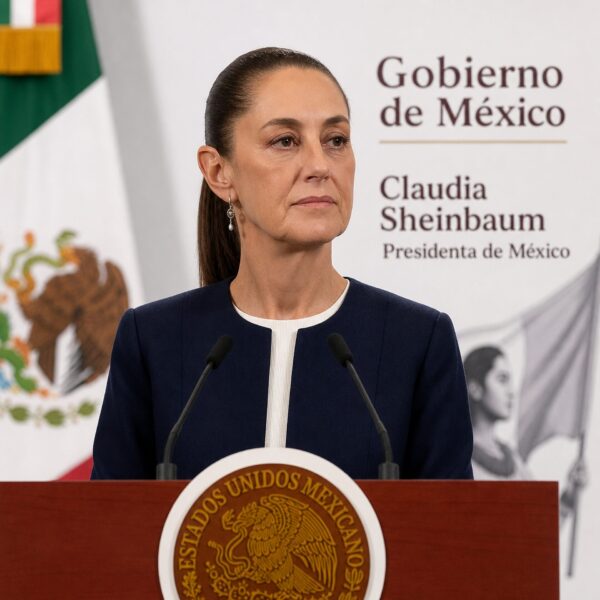
Trump accused Colombian President Gustavo Petro of shielding drug traffickers, which Petro denied after a successful meeting with the U.S. president. Meanwhile, Brazilian President Lula also visited Washington amid accusations from Trump. Mexico’s President Sheinbaum has avoided such meetings, adhering strictly to radical rhetoric, complicating U.S.-Mexico relations.

Normalized Fear, Enduring Reality.

Public insecurity in Mexico is a normalized yet pressing concern linked to historical corruption and systemic violence. Despite the president’s popularity, dissatisfaction persists due to governance failures. Accusations of corruption from the U.S. highlight the complicity within the political system, presenting the president with a critical choice: confront the issue or redefine her presidency.

What Is Sovereignty, and for whose defense?

The discussion on sovereignty centers around its historical definition, emphasizing Mexico’s power to legislate without foreign influence. It critiques the current landscape where sovereignty is threatened both by external forces like the U.S. and internal corruption linked to organized crime. A comprehensive defense is deemed essential for genuine sovereignty.

The Cow In Me.

I don’t know if there’s a support group for people with dental implants. I ask because the subject has revealed interesting aspects of the human condition to me. My dentist, told me she had to insert a bit of bone into my gum to place an implant. The procedure seemed abstract to me until I asked where the bone came from. “There’s human and cow,” was the answer.

Sovereignty: Myths vs. Realities.

The concept of sovereignty, often viewed as absolute, is challenged by historical and contemporary realities, particularly regarding state power and organized crime. In Mexico, high crime rates and government corruption undermine national sovereignty, revealing deep systemic issues. Effective governance and justice systems are essential for true sovereignty.

National Drug Control Strategy 2026

The U.S. has classified fentanyl as a weapon of mass destruction, labeling Mexican cartels as foreign terrorist organizations. The government’s strategy targets not just cartel leaders but their entire networks, citing insufficient political will in transit countries. A new unified command center integrates multiple agencies to combat this threat using all national power tools.

Manual For Handing Over Mexico.

President Sheinbaum’s handling of extradition requests for Sinaloa officials highlights the failures of the 4T government. Her initial refusal is criticized for lacking moral authority and ignoring prior treaty violations. The situation exposes internal corruption and raises concerns about a potential secret U.S.-Mexico agreement, jeopardizing national sovereignty and security policy.

Post-War Iran: Challenges Ahead for a Resilient Nation.

The ongoing conflict in Iran reflects deep-seated internal discontent, shaped by national identity rooted in the Persian Empire. Despite severe repression, the population’s pride is resurfacing. The country’s crises—water scarcity, economic decline, and geopolitical tensions—signal a critical juncture, with potential ramifications for regional and global power dynamics post-conflict.

The Rocha Case and the 2027 Elections.

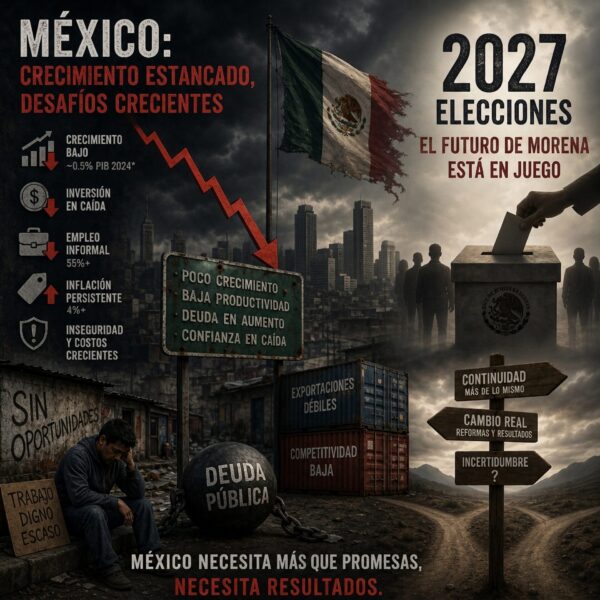
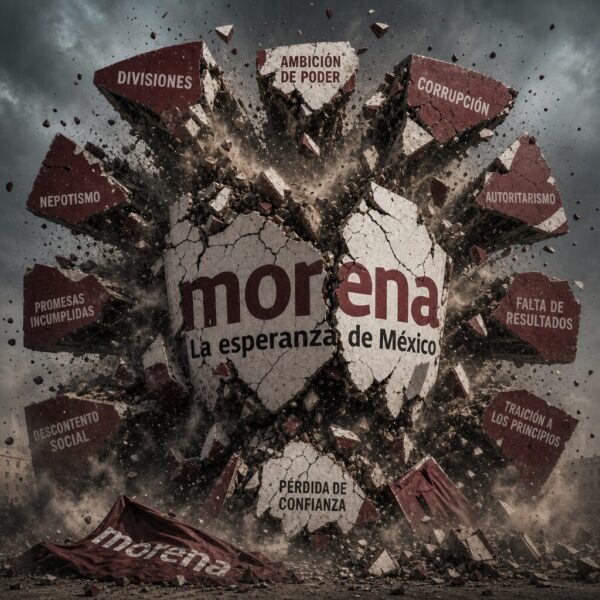
The case involving the U.S. indictment of Rubén Rocha, governor of Sinaloa, raises many questions. The most surprising and significant one concerns its impact on Morena’s electoral strategy for the 2027 elections. Will Morena apply the strategy described in the U.S. indictment in 2027, using cartel gunmen to kidnap opposition operatives and to intimidate and coerce citizens into voting for the ruling party’s candidate to win the election?

Shares