The Pope Rides Again.

Vincenzo Gioacchino Pecci, elected as Pope Leo XIII, symbolizes the Catholic Church’s transformation from a persecuted faith to a political powerhouse post-Constantine. The Church, facing modern crises, seeks renewed moral authority through Pope Leo XIV’s focus on contemporary issues like artificial intelligence, war, and societal polarization, emphasizing human dignity.

Mexico Needs a Course Correction.

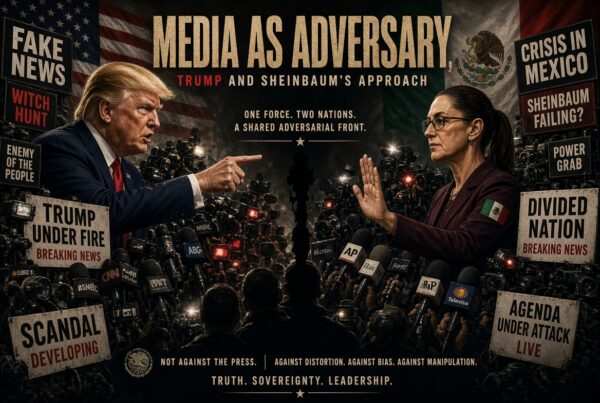
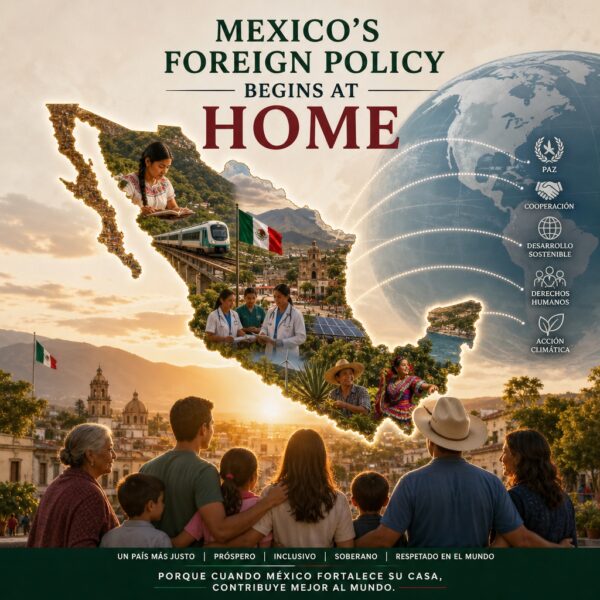
President Claudia Sheinbaum’s administration in Mexico has struggled to address significant challenges, following a course inherited from the previous government. With rising polarization, weak investment, and declining public support, the need for change is imperative. Adapting strategy and building unity, especially with the United States, are vital for future stability.

US-Iran Peace Agreement Memorandum.

The United States and Iran agreed on a Memorandum of Understanding to cease military operations and respect each other’s sovereignty. Key provisions include terminating sanctions, ensuring safe commercial shipping, and developing a $300 billion reconstruction plan. Both nations commit to negotiating a final deal and addressing nuclear concerns within 60 days.

Automotive Psychology

Juan Villoro reflects on his experience of selling a used car after owning it for thirteen years. Once deemed a virtue, the car’s singular ownership faces scrutiny amidst modern-day scams. An unexpected inspection by Manuel, a psychologist, reveals deeper insights into Villoro’s personality and habits, ultimately affecting the sale.

Waiting for November.

The upcoming U.S. midterm elections on November 3 are pivotal, with President Trump’s approval rating falling to 35%. Many Americans disapprove of his economic handling and the war in Iran, anticipating repercussions on global tensions. A potential shift in U.S. foreign policy could occur depending on election outcomes, particularly regarding Europe and Latin America.

June 13, 2020-June 13, 2026.

SEPGRA, established on June 13, 2020, has published extensive content covering global events and societal changes, totaling 2,237 posts over 2,192 days. The organization expanded its linguistic reach and accurately predicted significant shifts in Mexico’s political landscape. Looking ahead, SEPGRA embraces the complexity of emerging global dynamics with optimism.

Targets of Presidential Hatred.

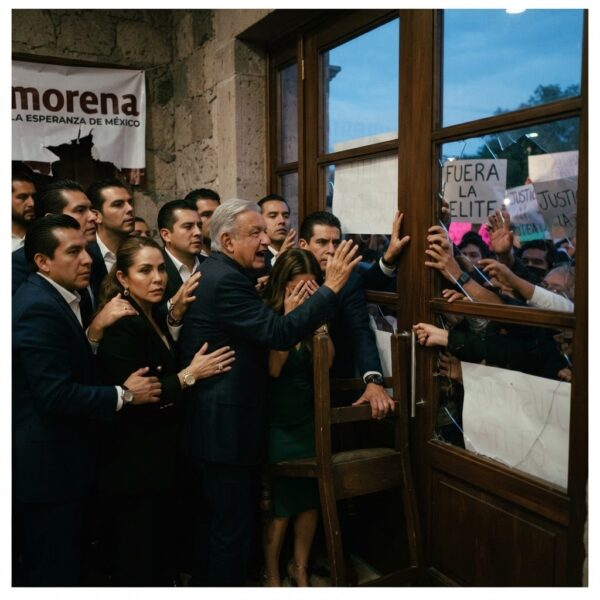
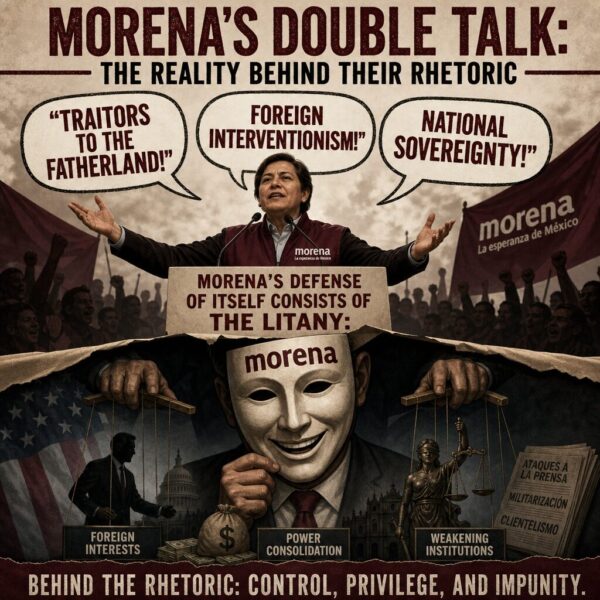
Some governments foster unity through dialogue, while others, like Mexico’s Morena, promote division and hatred to maintain control. The president targets various groups, labeling them as “far right” to suppress dissent and avoid engagement. This strategy normalizes animosity and distracts from government failures, raising concerns about the nation’s future stability.

56 Years That Make Up a Whole Lifetime.

Mexico’s history with the World Cup reflects resilience amid trauma. Following the Tlatelolco massacre in 1968 and the devastating earthquake in 1985, the nation showcased its ability to celebrate despite political repression and societal challenges. As the country prepares for the 2026 tournament, questions about its current state persist, emphasizing a collective spirit and the significance of people over politics.

Mexico’s Future Depends on Mexico.

The USMCA is crucial for Mexico’s economic stability but is often misunderstood regarding its role in addressing broader issues like poverty and inequality. While it has successfully attracted investment and created competitive industries, Mexico’s long-term success hinges on domestic policy improvements in energy, education, and infrastructure rather than reliance on trade agreements.

2026 World Cup. How is Mexico Doing?

The content discusses a comprehensive report on the 2026 World Cup in Mexico and provides links to various related articles covering topics such as economic outlook, drug trafficking, and human rights in the context of artificial intelligence. It highlights significant reports and perspectives influencing Mexico’s current socio-economic landscape.

Shares