
Luis Maizel’s Monthly Letter: China: World Power or Looming Disaster?

This month’s analysis highlights China’s transformation into a technological powerhouse, contrasting with its economic struggles, including a slow GDP growth and a near-bankrupt banking sector. Meanwhile, the U.S. exhibits moderate economic growth amid political volatility and rising consumer discontent. Global economies face challenges, including inflation and geopolitical tensions, affecting growth and trade relationships.

The Right to Die with Dignity: Global Perspectives on Assisted Suicide.

The French National Assembly has legalized euthanasia and assisted suicide for patients with irreversible illnesses, marking a significant shift in societal control over end-of-life choices. Meanwhile, Mexico’s progress in this debate remains slow, with active euthanasia still criminalized, necessitating reflections on individual rights and dignity in dying amidst ethical and religious complexities.

The Next 50 Years: Humanity, AI, and Power.

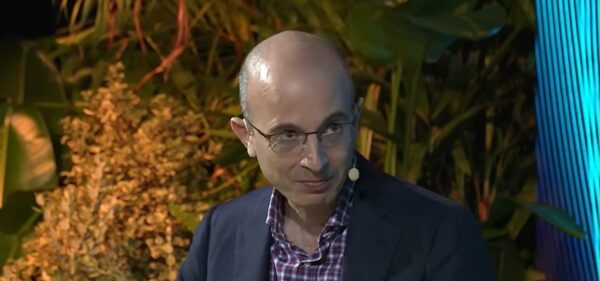
AI is surpassing human capabilities in memory, computation, and recall, raising concerns about its role in managing bureaucratic systems and democracy. As disruption approaches, the focus should be on safe development and regulation of AI to ensure benefits for humanity, as discussed at the July 2026 EDP 50th Anniversary Gala Dinner.

Spain–Morocco: From the Green March to the Ceuta Crisis.

Hassan II. The Moroccan monarch had developed a very close relationship with Henry Kissinger, Morocco was a key component of U.S. strategy in North Africa and a counterweight to Algeria, a country aligned with the Soviet Union and Rabat’s main regional rival. He took advantage of the end of the Franco regime to deliver the coup de grâce to what remained of one of the greatest colonial empires on earth.

Self-Inflicted Decline.

The article critiques the Mexican government’s policies over the past eight years, arguing they have hindered economic growth and opportunity, particularly for the poor. It emphasizes the importance of reliable energy and a strong education system to foster development. The current nationalist approach risks locking Mexico into a low-value assembly role, stifling broader progress.

The Designed Society.

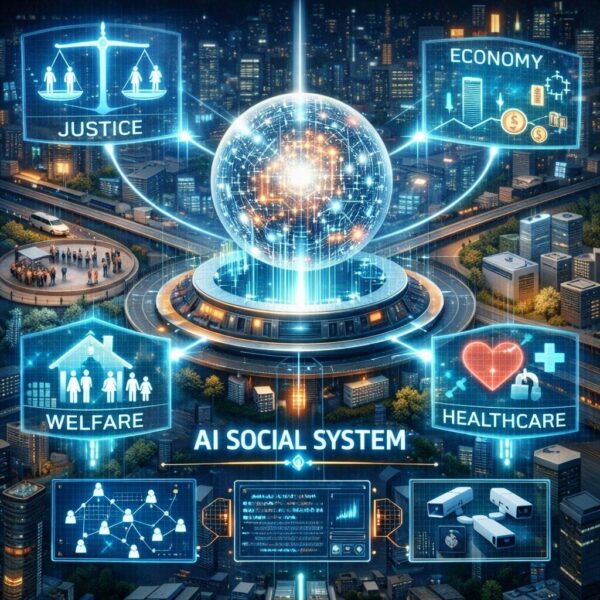
The text explores the paradox of imagining an apocalypse while capitalism persists, highlighting humanity’s fascination with disaster narratives and the implications of artificial intelligence. As AI evolves, it poses benefits and challenges, with a contrasting global response—China anticipates societal changes, whereas the West faces vulnerabilities in a commodified digital landscape.

Mandelas or Pinochets?

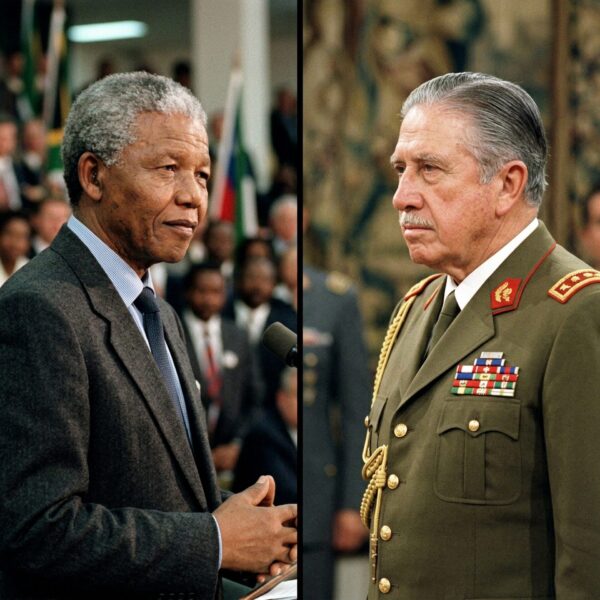
In 1986, the UN declared it the International Year of Peace. To mark the occasion, Santiago Genovés, the brilliant anthropologist of Spanish origin, brought together fourteen experts on the subject to draft what came to be known as The Seville Manifesto, which was adopted by100 scientific societies. Let’s take UNICEF’s proposal seriously; let’s invest in it to ensure more Mandelas and fewer Pinochets.

Economic Environment and the 2027 Elections.

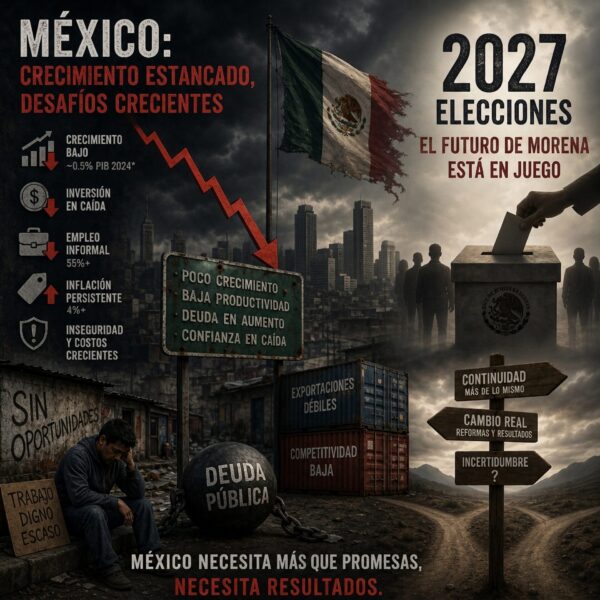
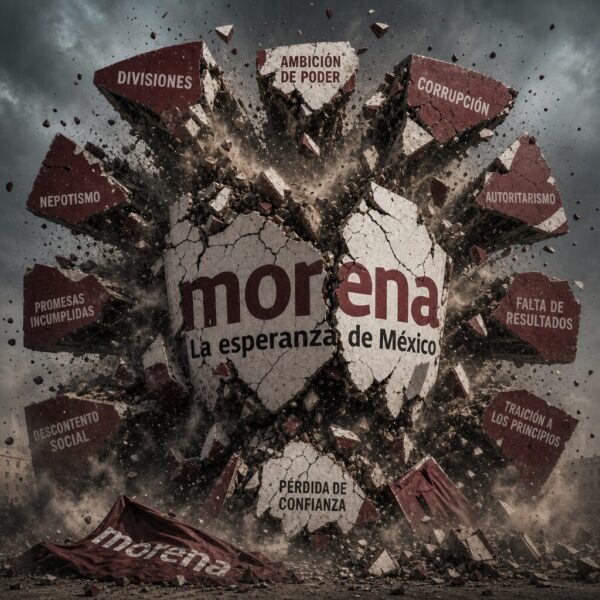
The Mexican economy faces stagnation, with GDP growth projected at only 1% in 2026 due to insufficient investment and declining consumption. Public debt is rising, and inflationary pressures impact real income. Political dynamics within the Morena party complicate the electoral landscape, as perceptions of corruption may sway voter sentiment in 2027.

Morena’s Implosion.

Morena’s internal unity depends on a single factor: the strength of its charismatic leader. Without that decisive factor, its internal lines of command, cohesion, and coordination fragment and break apart. It lacks mechanisms to address its differences. It resorts to the most obvious tools of an authoritarian State to quell its internal conflicts—threats, espionage, and police control—rather than political dialogue.

To Be And To Seem.

The absence of reliable judicial and investigative institutions in Mexico leads to widespread crime and distrust. A 2024 report revealed that 93.2% of crimes go unreported or uninvestigated. The political climate fosters suspicion towards justice, making citizens vulnerable to arbitrary legal actions. Trustworthiness and accountability in the justice system are critical for societal stability.

Shares